Last updated: September 2026 - GroundCare doesn't represent one individual manufacturer, so we start with the lawn rather than the product catalogue. This guide brings together manufacturer information, independent testing and owner feedback to explain where a brand sits in the robot mower market, what makes its technology different, and the types of property where it may — or may not — make sense. This is a brand overview, not a review of a particular model. Where GroundCare has hands-on experience with individual machines, installations or customer properties, those will appear separately alongside this guide.
The short version
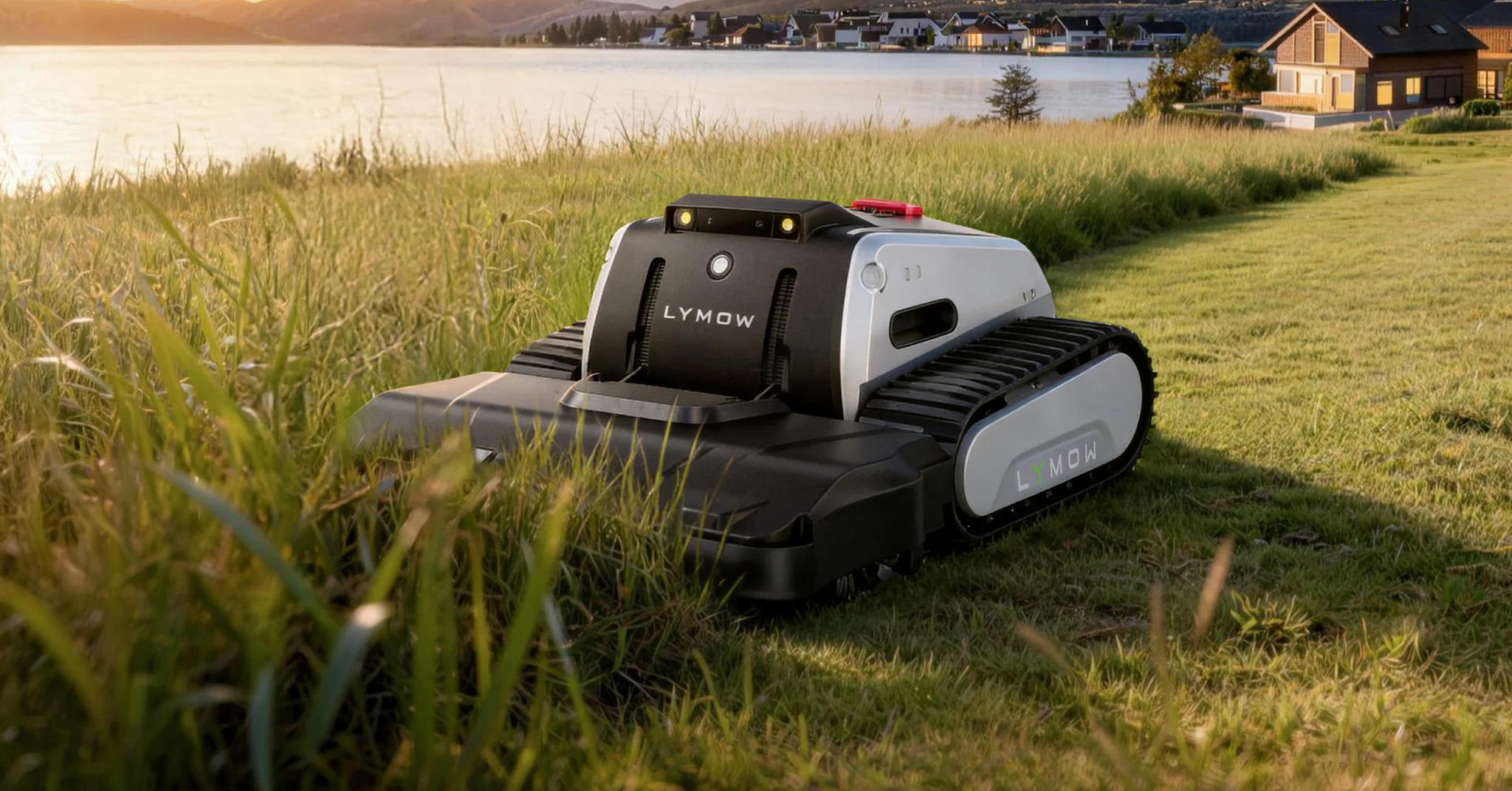
Lymow takes a very different approach from the lightweight razor-disc robot mower. It combines tank-style tracks, substantial batteries and conventional-style rotary cutting blades, making it particularly interesting for rough, steep or imperfect lawns where traditional robots can look underpowered. It is also a young brand, so long-term parts, support and platform maturity deserve more scrutiny than with established machinery manufacturers.
Where Lymow sits in the market
Lymow emerged through crowdfunding and deliberately targeted the gap between domestic robot mowers and conventional powered mowing equipment. The result is heavier, more powerful and more mechanically substantial than most residential robots.
Current European distribution includes direct delivery to Ireland.
https://eu.lymow.com/
What makes Lymow different?
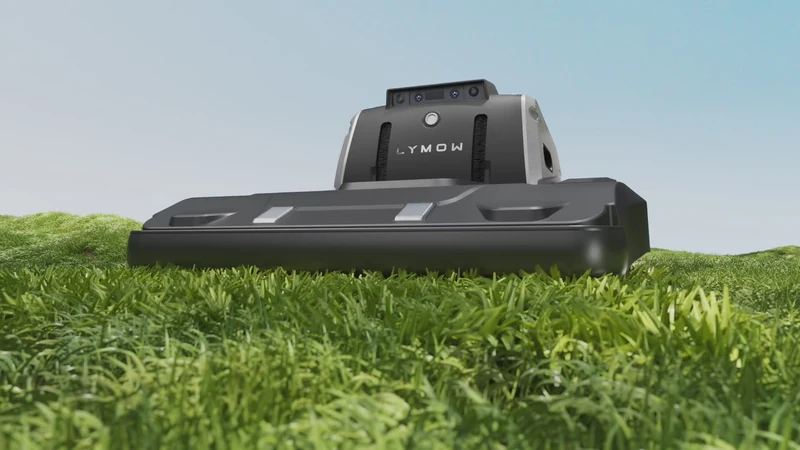
Tracks are the obvious visual difference, but the cutting system matters just as much. Rather than relying solely on small pivoting razor blades designed to remove millimetres of grass very frequently, Lymow uses larger rotary blades and airflow-assisted mulching.
Independent tests have found excellent traction, very good cutting performance and strong behaviour on steep or uneven ground. PCWorld also found precise navigation under trees.
Where we’d look particularly closely at Lymow
This is especially interesting for former paddocks, rough country-house lawns, undulating sites, longer grass and properties where wet periods sometimes prevent regular mowing.
That last point matters in Ireland. A lightweight maintenance robot works brilliantly when it can cut frequently; it becomes less impressive if weather prevents mowing for long enough that the grass gets away from it. Lymow’s more conventional cutting architecture potentially addresses that particular problem.
What we’d want to check before specifying one
The same engineering creates trade-offs. Lymow is heavy, less convenient to lift between disconnected areas and noticeably louder than lightweight robot mowers. Edge performance has also been criticised in independent testing.
As a relatively young platform with proprietary tracks, batteries and components, parts availability and after-sales arrangements matter.
GroundCare perspective
Lymow becomes more interesting as the lawn becomes less like a lawn: rougher ground, longer grass, substantial slopes and irregular rural terrain.
For an immaculate flat 500m² garden, its weight and engineering may solve problems that don’t exist.
Not sure whether Lymow suits your property? Map your lawn and request a free GroundCare Lawn Report.